Quick Summary
Wearing a knee brace to bed can be helpful for some people, but it isn’t a one-size-fits-all solution. This guide explains when nighttime wear may help, when it may not, and how to prioritize comfort and sleep quality, so you can decide what works best for your routine and rest.
Can a Knee Brace Make You More Comfortable While You Sleep?
Absolutely. A knee brace can make you more comfortable while you sleep, but comfort is highly personal. For some people, knee braces provide a gentle support that helps the knee feel more stable at night, making it easier to relax and fall asleep.
Others notice the opposite. If a brace feels heavy in bed, it can become a distraction rather than a comfort. What matters most is that you barely feel the brace once you settle in to sleep.
In this Dr. Brace guide, we’ll help you decide whether to wear a knee brace to bed and how to do it without disrupting your sleep.
Why Listen to Us
At Dr. Brace, we provide everyday knee support used by real people. Through real customer feedback, we understand how braces feel during extended wear, including when sleeping. That firsthand experience puts us in a strong position to explain how to select and wear knee braces based on fit, comfort, and activity.

Can You Wear a Knee Brace While Sleeping?
Yes, you can wear a knee brace while sleeping if it feels comfortable and does not interfere with your sleep quality. Most people wear it at night to limit unwanted knee movement or feel more stable during their sleep.
A better choice, however, is to wear lightweight, flexible braces. These types of braces are easier to wear at night than rigid or heavily structured braces.
Additionally, you must consider the fit of the braces. A brace that feels fine during the day may feel tight or irritating when worn for hours in bed.
A rule of thumb is this: if a brace feels tight, causes numbness, or disrupts your rest, you shouldn’t wear it at night. Sleeping support should feel natural, not add discomfort or pressure.
Why You Should Wear a Knee Brace to Bed
- Feeling unstable at night: If you notice your knee feels loose or unsupported when lying down, especially when changing positions, consider wearing a brace to provide stability.
- Preventing awkward knee positions: Sleeping on your side or moving often can place the knee in uncomfortable angles. A brace may help limit excessive bending or twisting.
- Personal comfort or reassurance: A brace may sometimes feel familiar and calming, making it easier to relax and fall asleep.
- Reducing nighttime awareness: Light support can reduce the pressure on the knee that keeps you awake, helping you focus on rest instead of discomfort.
When Wearing a Knee Brace to Bed May Not Be a Good Idea
- Discomfort or restricted movement: Braces can limit natural leg movement during sleep, which may feel uncomfortable, especially if you’re an active sleeper who changes positions often.
- Tightness or circulation issues: A brace that feels fine during the day may feel tighter after hours of wear, leading to numbness or tingling.
- Skin irritation or pressure spots: Wearing a brace for long can cause rubbing, warmth, or irritation, particularly if the material isn’t breathable.
- Interrupted sleep quality: If you’re waking up to adjust or remove the brace, it may do more harm than good for rest.
What Type of Knee Brace Is Best for Sleeping?
Not all knee braces are equally suitable for sleeping. The best options are softer and more flexible designs, which are easier to wear than heavy or rigid supports.
Here are the types to consider;
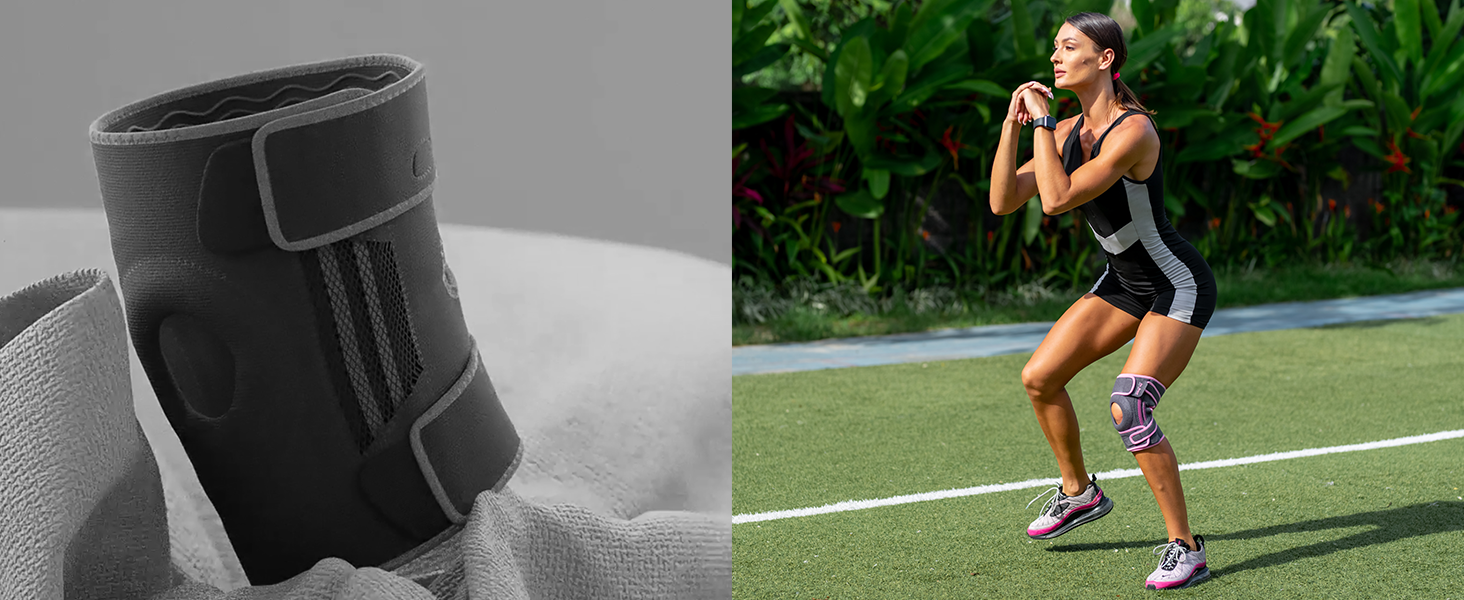
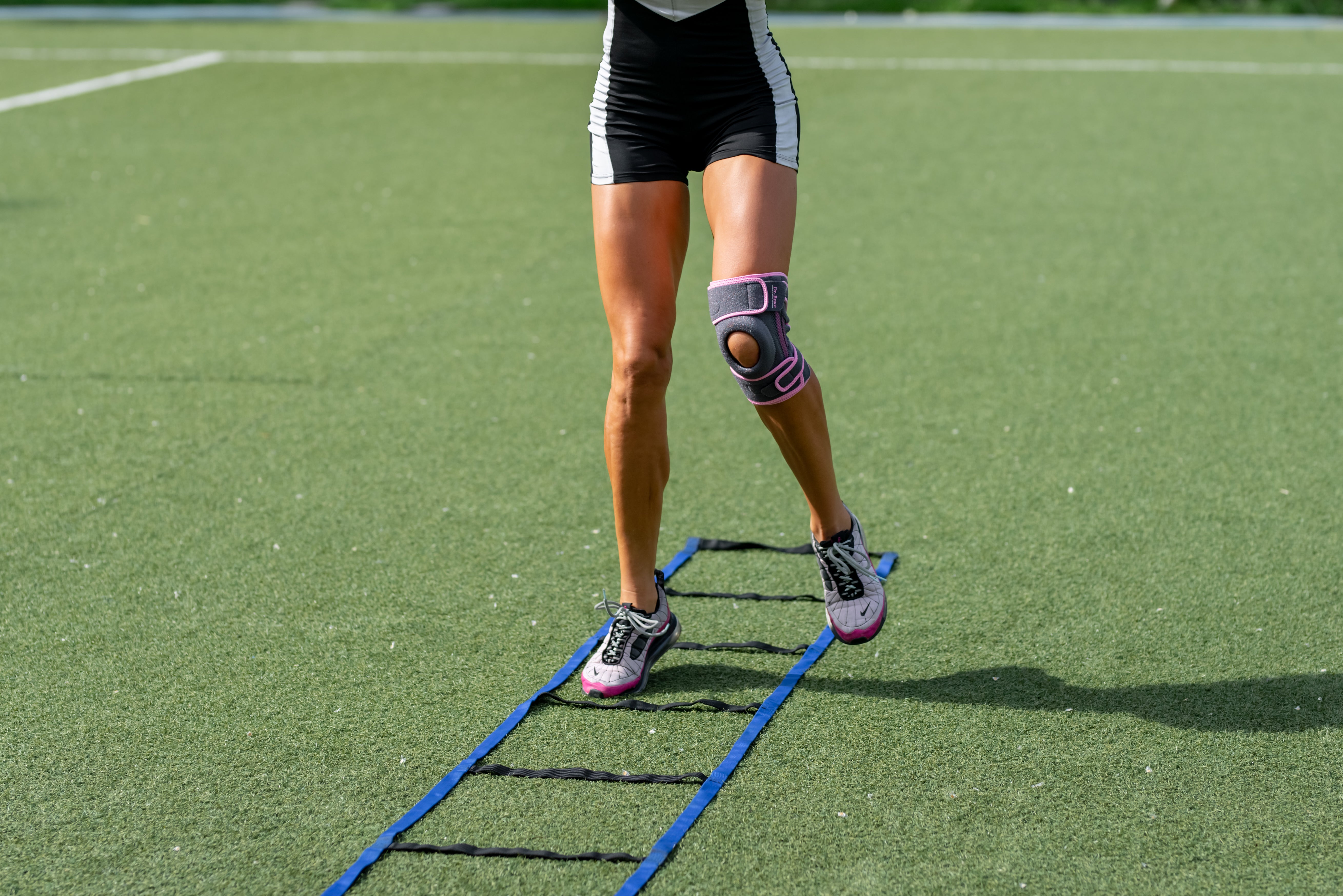
- Lightweight Braces: Lightweight compression sleeves and soft braces allow more natural movement in bed. A rigid, strap-heavy brace is usually best for activity during the day, not for sleeping at night. For example, this Lightweight Knee Brace with Patella Gel Pad from Dr. Brace is a great choice to wear when sleeping.
- Compression Sleeves: Compression sleeves offer gentle pressure and warmth, which can help you stay comfortable through the night. Structured supports with side stabilizers can provide more stability, but they might be too firm for sleep.
- Fit and Breathable Braces: A brace that fits well, not too tight, not too loose, and is made from breathable fabric reduces the chance of heat buildup, irritation, or numbness while you rest.
How to Wear a Knee Brace to Bed Safely and Comfortably
1. Choose a Brace Designed for Extended Wear
Start by choosing a knee brace that feels comfortable for long periods, not just short daytime use. Overnight wear puts different demands on your body because you’ll be lying down and changing positions while asleep.
Look for lightweight, flexible designs that allow you to move as you want without resisting motion. Soft compression-style braces are usually easier to tolerate than rigid or heavily strapped options when you’re resting.
2. Use the Correct Size for Your Knee
Sizing matters more at night than during the day. A brace that fits loosely while moving can feel very different after hours of continuous wear in bed.
Measure your knee according to the sizing guide before choosing a brace. Don’t guess or size down for “extra support.” Choose the correct size for your knee, so it stays in place without squeezing.
3. Avoid Over-Tightening Before Bed
Before sleeping, fasten the brace so it feels secure but still relaxed when your leg is fully extended. If the brace feels tight when you bend your knee, loosen it. Your leg may swell slightly overnight, making tight braces uncomfortable.
Adjustable designs, like those offered by Dr Brace, allow you to fine-tune support so it remains comfortable through the night.
4. Check Circulation Before Falling Asleep
Always take a moment to check how your knee and lower leg feel once the brace is on. You should not feel tingling, numbness, or coldness.
Move your foot and ankle gently. Everything should feel normal and unrestricted. If anything feels off, remove or loosen the brace before sleeping. This simple check helps ensure the brace supports your comfort.
5. Inspect Your Skin and Comfort the Next Morning
When you remove the brace in the morning, check your skin. Mild impressions are normal, but if you see persistent redness, soreness, or irritation, it is a sign to reconsider using the braces.
Notice how your knee feels overall. Sleeping well matters just as much as support. If consistently wearing braces at night affects your comfort, take a break or switch to a lighter option. External support should fit into your body and sleep routine.
How Long Should You Wear a Knee Brace at Night?
You should wear a knee brace at night only as long as it feels comfortable and helpful, which is often a short-term wear. No fixed number of nights applies to everyone.
The most important thing is to listen to how your body responds. Adults typically change sleep positions 20-40 times per night, so a brace should never feel tight.
If it affects sleep quality, or you wake up sore or numb, you’re wearing it for too long. A knee brace at night should support rest, not replace comfort.
Alternatives to Wearing a Knee Brace to Bed
1. Use a Pillow for Knee Support
Place a pillow between your knees when sleeping on your side to limit awkward twisting. If you sleep on your back, placing a pillow under your knees can reduce pressure and help your legs relax naturally through the night.
2. Adjust Your Sleep Position
Your sleep position affects how your knee feels overnight. Sleeping on your side or back can provide gentle support to your knees and reduce strain without the need for a knee brace. Making simple adjustments in how you lie down can make a noticeable difference in your comfort.
3. Take Breaks From Nighttime Brace Use
Wearing a brace every night isn’t always necessary. Taking regular breaks helps you notice how your knee feels without support and reduces the risk of irritation. Alternate the nights when you wear them or reserve brace use for evenings when you may feel the most discomfort.
4. Improve Where You Sleep
A mattress that offers balanced support can ease pressure on your joints. If your bed is too soft or uneven, your knees may sink into awkward positions. Improving where you sleep can provide better support to your knees, so you don’t need to wear a brace.
5. Use Support Before Bed, Not Overnight
Some people prefer wearing a brace while relaxing in the evening, then removing it before sleep. This allows your knee to settle at night while making sleep comfortable and natural.
Is Sleeping With a Knee Brace Right for You?
Sleeping with a knee brace is a personal choice. What matters most is how it feels and whether it helps you have a good sleep. Pay attention to comfort, fit, and sleep quality, and adjust as needed. If you’re considering nighttime support, choosing the right brace makes a difference, and that’s where Dr Brace can help.
Dr Brace offers knee braces designed with comfort, breathability, and everyday wear in mind. Our range includes lighter, flexible options as well as more structured supports, so you can find a good and comfortable option to wear at night.
Explore Dr Brace's knee braces to find a suitable option.