Quick Summary
This article explains how to put on a knee brace correctly for comfort, stability, and effective support during daily activities. Step-by-step guidance, common mistakes, and best practices ensure your brace fits properly and moves naturally with your knee. For more tips and insights, explore further research on our blog.
Are You Wearing Your Knee Brace the Right Way?
Wearing a knee brace the right way matters more than you realize. A brace that’s worn incorrectly can feel uncomfortable and fail to provide the support you’re looking for during daily movement.
Over time, we’ve seen that the reason people wear braces incorrectly is that they don’t know the right fit, placement, or strap tension. This results in braces that are uncomfortable and very distracting.
In this Dr. Brace guide, we will show you how to put on a knee brace step by step, explain what a proper fit should feel like, and help you avoid common setup mistakes so your brace feels secure, comfortable, and easy to wear.
Why Listen to Us?
At Dr Brace, we work with people who wear knee braces every day, during long workdays, travel, and daily routines, not just during workouts. Our insights come from real customer experiences, detailed fit support, and hands-on product design. We focus on comfort, placement, and usability so braces feel fully supportive.

What Is a Knee Brace?
A knee brace is a wearable support designed to help your knee feel more stable during everyday movement. People often use knee braces while walking, working, exercising, or standing for long periods. A user shared how a brace improved her confidence: ‘I used to be afraid of my knee giving out on the stairs. Now I feel solid and balanced every time I go down.’ – Kimberly Edwards
It comes in different types, such as soft compression sleeves, adjustable wraparound braces, and more structured designs with straps or side supports. Each type offers a different level of support and fit, depending on your comfort needs and daily activity.
Why Wearing a Knee Brace the Right Way Matters
Putting on a knee brace correctly affects how it feels and how well it fits into your daily routine. Here’s why it’s important:
- Improves comfort throughout the day: Proper placement helps the brace sit evenly on your knee, reducing pressure points and preventing irritation during movement.
- Prevents slipping or shifting: A well-worn brace stays in place, so you’re not constantly adjusting it while walking, sitting, or standing.
- Supports natural movement: When aligned properly, the brace moves with your knee instead of resisting motion.
- Reduces daily distractions: A well-fitted brace doesn’t feel like you’re wearing a brace at all. It fades into the background, letting you focus on your day instead of the brace itself.
How to Put On a Knee Brace (Step-by-Step)
Step 1: Prepare Your Knee and Brace
Before putting on your knee brace, take a moment to prepare both your knee and the brace itself. Start with clean, dry skin. Moisture, lotion, or sweat can make the brace slip over time, thereby causing discomfort.
Next, inspect the brace. Make sure straps are loosened, fabric is smooth, and any support features are lying flat. With Dr. Brace products, checking the size label and orientation helps ensure you’re starting with the brace positioned correctly for your knee.
Step 2: Position the Brace Correctly on Your Knee
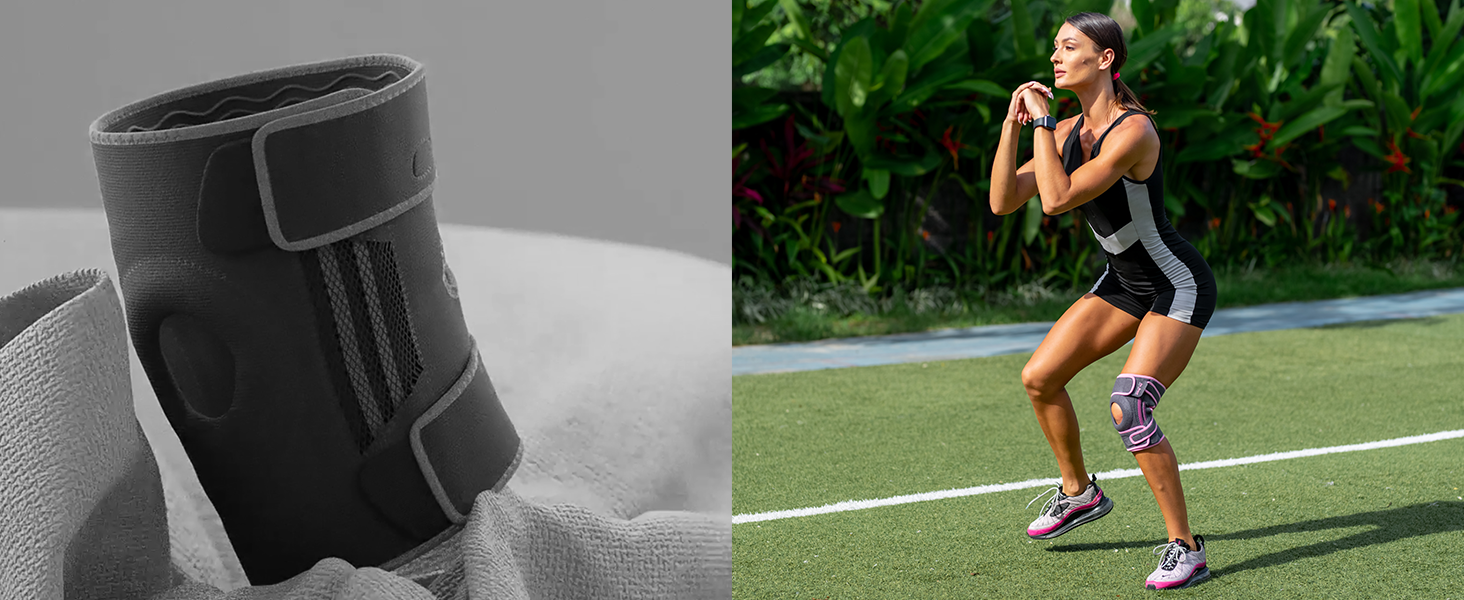
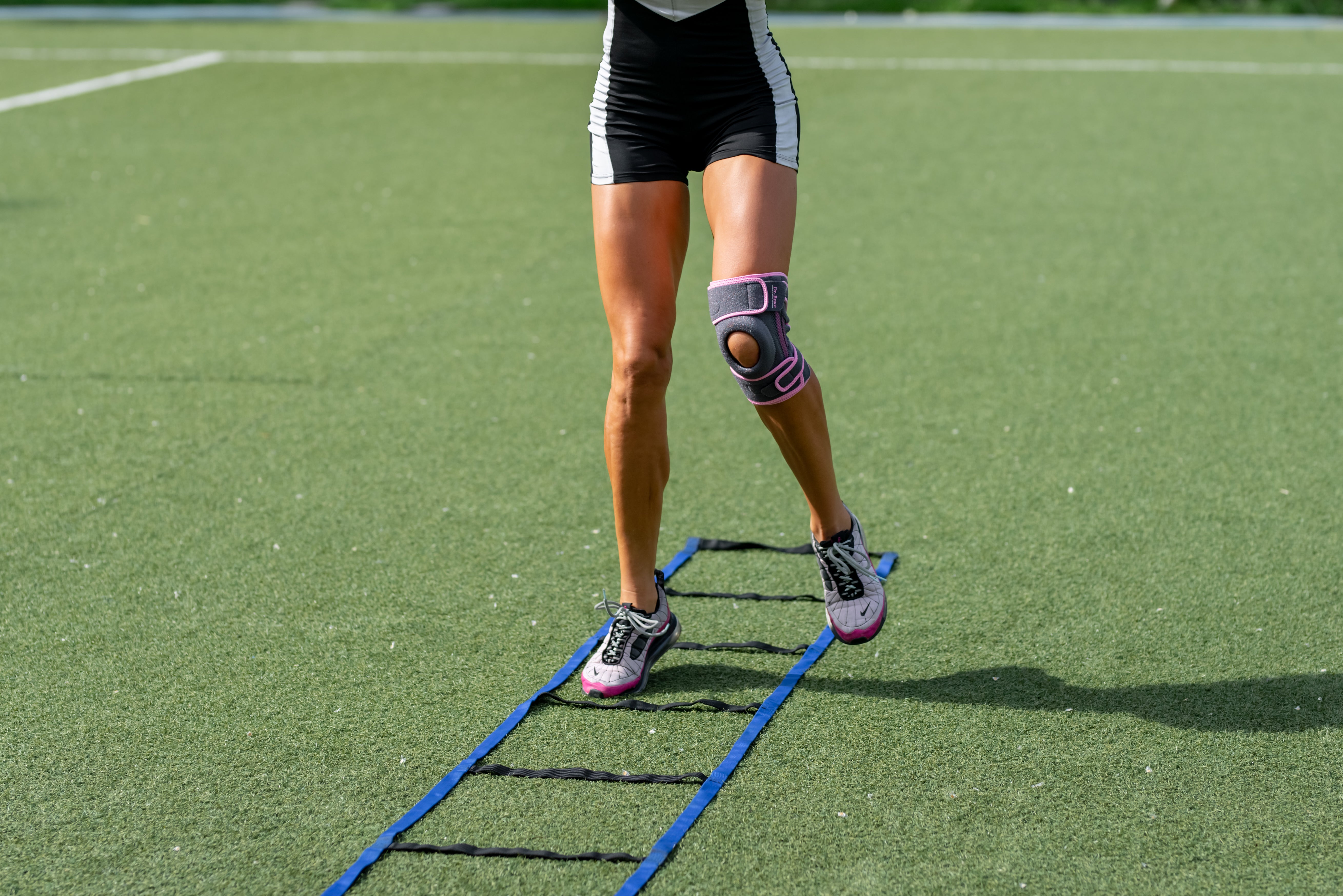
Slide or wrap the brace onto your leg so it sits centered over the knee joint. The brace should feel balanced, not pulled too high on the thigh or too low on the calf.
If your brace has a front opening or wraparound design, place it directly over the knee before securing anything. For a sleeve-style brace, pull it up slowly and evenly to avoid twisting.
Step 3: Align Key Support Areas
Once the brace is positioned, align any support features with your knee. If there’s an opening or padding for the kneecap, center it so it sits comfortably without pulling.
For braces with side supports or straps, make sure they sit evenly on both sides of the knee. Dr Brace's knee brace designs often shape these areas to follow natural knee contours, making it easy to align with your knees.
Step 4: Secure the Brace Without Over-Tightening
Fasten the straps or closures gradually, starting from the center and working outward. The brace should feel secure but not tight. You should be able to slide a finger under the brace without exerting extra effort.
Step 5: Check Comfort and Movement
Stand up and move your knee gently. Walk a few steps, bend your knee, and sit down to see how the brace feels in motion. A properly fitted brace should move with you and feel supportive. If it shifts, pinches, or feels distracting, pause and readjust before continuing your activity.
Many users notice how much easier it makes daily movement. As Suzy Baker shares, she’s tried quite a few braces, but this one “supports my knee perfectly without needing extra help” and makes moving around “so much easier and less painful.”
Step 6: Adjust for Your Level of Activity
After a few minutes of movement, reassess the fit based on what you’re doing. A brace that feels fine while standing may shift slightly when you sit, climb stairs, or walk longer distances.
If the brace slides down, smooth the fabric and tighten only enough to keep it in place. If it feels tight when sitting, loosen the straps a little so your knee can bend comfortably.
Best Practices for Wearing a Knee Brace Correctly
Recheck fit After 10-15 Minutes of Wear
A knee brace often settles once you start moving. Taking a moment to reassess how your leg feels after initial wear helps you know if it's slipping or if there’s too much pressure on your knees. This small habit can prevent discomfort later and keep the brace feeling stable without constant readjustment.
Match Brace Tension to Your Activity Level
The support you need isn’t always the same throughout the day. Walking, sitting, standing, or any other light activity can all feel different with a brace on. Learning to slightly loosen or tighten the brace based on what you’re doing helps maintain comfort without letting the brace slide.
Rotate Between Similar Braces if Worn Daily
Wearing the same brace every day can affect how it fits over time. The fabric will stretch, the straps will become softer, and it may provide less support. To maintain it, have more than one similar brace so you can rotate between them. This allows each one to recover its shape and improve long-term comfort, especially if you rely on knee support regularly.
Avoid Relying on Visual Symmetry Alone
Knees are rarely identical, and a brace doesn’t need to look perfectly even to feel right. Focusing too much on how it looks on your knee can lead to over-tightening or misplacement. Pay attention to how the brace feels when you move instead of how it looks when standing still.
Clean and Maintain the Brace Regularly
Sweat, oils, and everyday wear can change how a brace fits and feels. Regular cleaning helps maintain the fabric structure and grip, which supports consistent placement. A well-maintained brace is more likely to stay comfortable, breathable, and secure during repeated use.
Common Mistakes to Avoid When Putting On a Knee Brace
- Misaligning the brace with the knee joint: One of the most frequent errors is wearing the brace too high or too low. When the brace support features don’t line up with the knee, it can feel awkward and ineffective. Always center the brace over the joint so it moves naturally with your knee.
- Assuming one size fits all: Many people guess their size or choose a tighter brace for “extra support.” This often leads to discomfort or makes the brace slip during movement. Using the correct size helps the brace stay in place without squeezing or shifting.
- Over-tightening the straps: Pulling straps too tight is a common instinct, but it often backfires. Over-tightening can restrict movement, cause pressure points, or make the brace uncomfortable while sitting.
- Putting the brace on in a rush: Rushing through the process can lead to several mistakes, such as twisted fabric, uneven straps, or missed alignment cues. Take an extra moment to smooth the brace and check that it is placed correctly to prevent ongoing discomfort and constant adjustments later in the day.
- Ignoring how it feels during movement: Some people judge fit only while standing still. A brace may feel fine at first, but shift when walking or bending. Always test comfort through light movement and adjust early so the brace supports your routine without becoming a distraction.
Getting the Most Comfort From Your Knee Brace
Putting on a knee brace correctly makes a real difference in how it feels and how easily it fits into your day. From placement to adjustment, small details help prevent slipping, discomfort, and distraction, and that’s why you need knee braces from Dr Brace.
Dr Brace designs knee braces with everyday wear in mind, focusing on fit, adjustability, and comfort across daily movement. Our sizing guidance and support features help you make the right choice so you can wear it easily.
Explore Dr Brace's knee braces to find the right fit for your routine.